Blogged with the Flock Browser
Monday, September 22, 2008
Parrot Training » Blog Archive » 12 Secrets To Make Your Parrot Behave
Parrot Training » Blog Archive » 12 Secrets To Make Your Parrot Behave


Saturday, March 24, 2007
Question and Answers About Seed
| Questions | Answers |
| “Birds in the wild eat seeds, don’t they?” | Very few species of parrots eat seeds in the wild, but they do eat a wide variety of foods, such as flowers, buds, fruits, nuts, insects, leaves and grasses depending on what is available seasonally. |
| “Aren’t the seed mixtures I feed my bird what they would eat if they lived in their native habitat?” | Birds in South America, Africa and Australia are rarely exposed to sunflower seeds and peanuts, yet most commercial seed diets contain a high proportion of these. |
| “Why do they say my bird will get fat on a seed diet?” | Seeds are high in fat and deficient in important nutrients, so a steady diet of them can lead to obesity and other nutritionally related diseases. Unlike wild birds, caged birds are more sedentary and do not expend as much energy during their daily activities. |
| “If I add vitamin and mineral supplements to my bird’s seed diet, won’t he be getting a nutritious diet?” | Whether you are adding supplements to your bird’s food or water, you never know how much of the supplements your bird is consuming. Powdered supplements separate from the food and end up as waste, and because you change the bird’s water frequently, the supplements are thrown out with the water. |
| “Aren’t ‘fortified’ seeds healthier for my bird?” | When your bird eats seeds with shells that have been coated with vitamins and minerals, the hulls usually end up as waste on the floor of the cage. |
| “If I supplement my bird’s seed diet with lots of fresh fruits and vegetables, won’t he be eating a very healthy diet?” | While fruits and vegetables are healthy additions, many of them are high in sugar and carbohydrates, and should not make up more than 20% of your bird’s overall diet. |
| “My bird eats a lot of the same foods as I make for myself , so isn’t he getting a good diet?” | It’s difficult to make sure your bird is getting the correct balance of nutrients — after all your nutritional needs are different from his. |
| “What kind of diet will give my bird everything he needs to stay healthy?” | The best diet for your bird is one that provides a reliable, consistent source of balanced nutrition, such as high-quality, extruded nuggets. |
| “Can I feed my bird other food items along with the nutritious nuggets?” | Yes. You can feed your bird a few seeds, fruits, nuts, vegetables and other food items every day, as long as they do not make up more than 20% of his daily diet. Use these foods for training rewards or treats. |
“Extruded diets are the best choice to ensure birds get the important balanced nutrition they need.” Mark L. Morris, Jr., DVM, PhD, Diplomate American College of Veterinary Nutrition
“Nutritionists agree that extruded nuggets take the guesswork out of feeding your bird, and can offer a reliable and consistent source of quality nutrition.” Don Harris, DVM, Miami, Florida
For more information about how you can convert your bird from a seed diet to a healthier diet, click here to download a brochure from ZuPreem.
Visit Bird Buffet N Things for your bird’s feed and needs.
COME SEE US APRIL 21 - 22, 2007 AT THE
Southeast Exotic Bird Fair at the North Atlanta Trade Center
1700 Jeurgens Ct, Norcross, GA, Exit 101 off I-85
April 21, 2007, 9:00 am - 5:00 pm and April 22, 2007, 9:00 am - 4:00 pm
Saturday, January 20, 2007
Bird Toys
Birds are playful and fun loving by nature. Even birds kept in cages like moving around and exercising their natural instinct to play. In addition, birds can strengthen their bills and test their agility on our numerous rope-basted products.
Toys like our Junglewood rope of blocks and beads will give any bird hours of enjoyment. Made of durable nylon or cotton rope as well as wooden or hard plastic beads, our toys are safe and won't injure your bird in any way. Birds don't generally swallow toys or bite off pieces of them. If they do manage to accidentally ingest a small piece of a toy, it won't normally harm them. It takes 400 degrees of heat to melt plastic, so any pieces ingested would simply pass through the bird as waste.
Some owners are concerned about using plastic toys, since some plastic food bowls in the past have been suspected of being harmful to birds. Our products, however, are made with plastics approved for use with birds and are guaranteed to be completely harmless.
Our bird rope ladders are excellent examples of other durable and fun toys for birds of all shapes and sizes. They are attached with a hanging clip (small, medium and large sizes) to the top of your bird's cage. Depending on the size of the cage, your bird can swing around on the ladder, perch on the wooden rod, or test beak skills by pulling the rope in different directions. Any way your bird finds to have fun with the toy, it is certain to become a favorite way to pass the time.
Please visit Bird Buffet N Things for all your bird toy needs at great prices.
Sunday, April 23, 2006
What to Feed Your Lory
There are many species of Lories and Lorikeets. There is the Duyvenbode's Lory, Black Lory, Yellow-streaked Lory, Cardinal Lory, Johnstone's Lorikeet, Scaly-breasted Lorikeet, and the Purple-bellied Lory to just name a few. Lories are larger, heavier-bodied birds with squared-off tails. Lorikeets are more slender, with longer, tapering tails. All lories and lorikeets are beautiful; most species have brightly colored, glossy feathers in rainbow hues, with coral-red beaks. For a list of Lori and Lorikeet species and information about each of them, visit Lexicon of Parrots.
The majority of the Lories and Lorikeets have a natural diet of flowers, nectar, pollen, and soft fruit. Lories are usually more expensive than some other parrots because of their need for a nectar diet. The nectar diet will result in loose droppings. Lories should never be fed just a birdseed diet. Lories and Lorikeets that raised only on seeds may eventually die from perforation of the crop or malnutrition. To stay healty, Lories need to be fed a good nectar diet twice a day with a variety of fruits and vegetables.
ZuPreem recently introduced two new products, Lory Nuggets and Lory Nectar. Both are formulated specially for nectar-eating pet birds. When fed together, these two complementary diets take the guesswork out of feeding. Colorful, flower-shaped nuggets, and powdered nectar to sprinkle over fresh fruit or dissolve in water add variety to your bird’s diet. Here’s what you and your bird will like about ZuPreem Lory Diets:
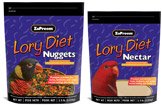
ZuPreem® Lory Diet Nuggets are small, flower-shaped, extruded nuggets in purple, green, yellow and orange colors. Nuggets contain bananas, apples and grapes ground from fresh fruit for a tropical fruit flavor and aroma. ZuPreem® Lory Diet Nectar is powdered nectar with a tropical fruit flavor and aroma, and is easily dissolved in water to mimic the nectar these birds eat in the wild.
Roudybush Lory Powered Nectar diet is lower in sugar than other brands of nectars, so switching a bird from another brand of nectar sometimes requires adding a small amount of powdered sugar to the diet and slowly eliminating it to convert the birds. Less sugar is helpful to reduce incidence of yeast infections that lories are prone to due to the high sugar diets they are commonly fed. Some people grind up the maintenance pellets into a powder or convert their birds to maintenance crumbles. Lories do very well on the maintenance diet. Feeding pellets, crumbles, or dry powdered Lory Nectar will result in drier, easier to clean up droppings, making lories that much more pleasant to live with. Although some people use the Lory Nectar to handfeed lory chicks, we recommend using Formula 3, which provides a little higher protein needed for growth in the chicks and eliminates the sugar that could lead to yeast infections.
Brisky Lory Luv Nectar powder will keep your lory healthy and happy while providing the essential nutrients and carbohydrates required to support their high metabolism.
Visit Bird Buffet N Things for these great products and for other products for your Lori and Lorikeets nutritional needs.
Saturday, April 08, 2006
Use this to train your parrot to talk
Do you know the best way to get your parrot to talk?
I'll give you a hint...
A guy by the name of Chet Womach, over at http://www.birdtricks.com/bird-buffet has discovered some powerful strategies for getting parrots to talk.
He calls it the 'instincts factor' and is getting amazing results with it. You can see exactly how it works at his website below.
http://www.birdtricks.com/bird-buffet
It will only take you a few minutes to hash over the information and see eactly what you have been missing when it comes to teaching your parrot how to talk.
And just in case you were wondering, the training method talked about at the above website works for all parrots. If your parrot has a hooked shaped bill, no matter how small or big he is, these methods will work for you.
I've personally seen these strategies in action and a lot of people have used them to train their birds to not just talk, but talk on cue... Saying whatever their owners want, Whenever their owners want.
Here's the webpage that shows you what I'm talking about again: http://www.birdtricks.com/bird-buffet
Enjoy,
Michael Camire
Bird Buffet N Things
www.birdbuffetnthings.com
I'll give you a hint...
A guy by the name of Chet Womach, over at http://www.birdtricks.com/bird-buffet has discovered some powerful strategies for getting parrots to talk.
He calls it the 'instincts factor' and is getting amazing results with it. You can see exactly how it works at his website below.
http://www.birdtricks.com/bird-buffet
It will only take you a few minutes to hash over the information and see eactly what you have been missing when it comes to teaching your parrot how to talk.
And just in case you were wondering, the training method talked about at the above website works for all parrots. If your parrot has a hooked shaped bill, no matter how small or big he is, these methods will work for you.
I've personally seen these strategies in action and a lot of people have used them to train their birds to not just talk, but talk on cue... Saying whatever their owners want, Whenever their owners want.
Here's the webpage that shows you what I'm talking about again: http://www.birdtricks.com/bird-buffet
Enjoy,
Michael Camire
Bird Buffet N Things
www.birdbuffetnthings.com
Friday, March 31, 2006
Reduce Your Bird Feed Bill

The Bird-Zerk Acrylic Recycling Bird Feeder is now available at Bird Buffet N Things.
Veterinarian approved and recommended by Dr. Carol Richardson, D.V.M. Phoenix, Arizona, and several other veterinarians in the U.S.
We have the solution for you! The new amazing patented BIRD-ZERK FEEDER. It will change your life forever! No more sweeping food off the floor and throwing dollar$ into the trash. The BIRD-ZERK FEEDER is great for pet birds or breeding birds. It will increase your profit$ with your breeding birds because of the seed or pellet you will $ave with a BIRD-ZERK FEEDER. The BIRD-ZERK FEEDER will pay for itself in no time, because the wasted food is saved and recycled. The feeder will cut your food bill by at least 50%, and keep 80% to 90% of the mess and wasted food off the floor or bottom of the cage. So after a short time, the BIRD-ZERK FEEDER will pay for itself in the savings of the food, then the feeder is free. And it will continue to save you money year after year. Even with our revolutionary design in the BIRD-ZERK FEEDER, some of our parrot friends are smart enough to get a few of their seeds or pellet out of the feeder while eating, so we cannot guarantee 100% of the mess will stop, but just think of the money you will $ave!
This Avian Veterinarian approved feeder is constructed of high strength clear acrylic and is designed to withstand bird abuse. The BIRD-ZERK FEEDER is low maintenance and easily cleaned. It instantly shows you how much food your bird has consumed and it will fit any cage because it comes apart into two pieces. Best of all there is no need to cut your cage bars or wire, unlike some feeders on the market, where you have to cut a very large hole for the feeder to fit. The BIRD-ZERK FEEDER comes apart into two pieces. Half of the feeder, the part the bird eats out of attaches to the inside of the cage, the recapturing part of the feeder attaches on the outside of the cage. The two halves bolt back together through the cage wire or bars and you do not have to damage your expensive cages. When you bolt the two halves of the feeder together, it becomes part of your cage, and the birds cannot unhook it, letting the feeder fall to the floor and break. The BIRD-ZERK FEEDER has an attached top lid and bottom sliding door at no extra charge. The door and lid are built into the feeder when we assemble it.
Also the BIRD-ZERK FEEDER does not fit where your food bowls are located. The BIRD-ZERK FEEDER goes on the sides, back or front door of your cage, so that the bowls normally used for food can now be used for water, or fresh fruits, and veggies.

We have seven sizes to fit all exotic birds, which includes a colony feeder for those breeders that raise dozens of birds together. THE SIZE OF BIRD-ZERK FEEDER THAT YOU ARE BUYING MUST BE FOR THE RIGHT SIZE BIRD OR BIRDS. For instance, you would not buy a large feeder for colonies of finches. The large feeder is made for COCKATOOS, AMAZONS AND SMALL MACAWS, NOT FINCHES CANARIES, OR ANY OTHER SMALL BIRDS. Please refer to the Feeder Guide for the size you need for your bird or birds.
Each BIRD-ZERK FEEDER is professionally custom made and has been tested on several large aviaries since 1993. The BIRD-ZERK FEEDER has been used successfully on over 100,000 birds from the smallest finches to the largest of birds, the Hyacinth Macaw.
This food saving device has been awarded
Design Patent and Utility Patent
# D373,226 # 5,771,838
Monday, March 20, 2006
How To Make Food Treat Toys for Your Parrot
by Nora Caterino
Parrots love to play and love to eat. You can provide a combination of these two activities for your parrot's enjoyment by creating food treat toys easily and quickly. Your parrot will love them and have a good time eating, or in some cases, tearing up the treats. This is also a great way to get a parrot that isn't eating any people food to begin trying new foods.
Treat Idea #1: Popcorn Toy
Cooked, unsalted popcorn makes a great food treat toy for a small to medium sized parrot. Simple remove some popcorn from what you cook for the family before adding additional salt. If you use microwave popcorn, choose the type that doesn't have extra butter flavor or, even better, choose the low-fat selection. Using a needle and thread, knot the end of the thread and begin threading popcorn, just as if you were going to use it to place on a Christmas tree. Make the treat about 6 to 8 inches in length. Most parrots will thoroughly enjoy this food-based toy, eating pieces and simply removing other pieces.
Treat Idea #2: Cereal Toy
Another easy to make food treat toy can be made from low-sugar breakfast cereal that has a hole in the middle or somewhere in each piece. Honeycombs, Cheerios and Fruit Loops are not low-sugar, but you can include a few in the toy. Using a needle and thread, knot a plastic or metal button onto the end of the thread. Then begin stringing cereal until you reach the length you desire. Because this toy is made from cereal that already has holes in it, you can supply a blunt needle and let the children make this treat for your parrot. Simply hang the food toy where your parrot can reach it easily. Your bird will enjoy removing the cereal as well as eating some of it.
Treat Idea #3: Veggies, Fruits and Nuts
As you prepare a fruit salad for the family's meal, reserve some pieces of fruit for your parrot (remember that parrots can't have avocado or fresh fruit seeds). As you prepare fresh vegetables for the meal, reserve some pieces for your parrot. Also have on hand some of the nuts your parrot prefers. Again, using needle and thread, create a string of food, alternating fruits, vegetables and nut halves. Hang the food toy inside the cage or on your parrot's playground. If you have a large parrot, you can use this idea without the nuts by saving larger pieces of fruits and vegetables and thread them onto a metal rod. A piece of unpainted metal coat hanger, for example, with one end curved to form a hook and both ends sanded smooth so that rough ends can not cut the parrot.
Treat Idea #4: Find the Treat
The "find the treat" toy requires a bit of creativity in deciding exactly what to use for this toy. You'll want to locate two matching objects that can be punctured and placed on a string or rope. The creativity is required because different size parrots need different objects.
For a macaw or cockatoo, coconut shells work great. For a budgie or cockatiel, the little cups that restaurants use for condiments, either plastic or paper, work just fine. For parrots in between, you will probably be able to find what you need in the kitchen or another part of the house. Be creative. The toy is created by drilling or stabbing a hole in the bottom of each container. If the container is plastic, often a heated piece of metal such as a coat hanger, can be used to create the hole. Locate a thread (and needle), string, or piece of rope (depending on the size of the container and your parrot's size) of the length you desire and make a strong knot in the end. Thread the first container onto the string so that the bottom is next to the knot. Then thread the other container onto the string so that the bottom is up. Be sure the hole is large enough to allow the top container to move easily on the string. Prepare the string so that it will hang in the cage or on the parrot's playground. Then fill the container with any foods that your parrot considers to be treats. If you limit sunflower seeds, you can place some of those inside.
Pecans, walnuts, peanuts, fruits, vegetables, even a small piece of cookie, whatever your parrot loves, can go inside. Let the parrot see that the top container can be lifted and that there are treats inside. Then sit back and watch your parrot figure out how to get to the treat! It can be great fun and your parrot will be amused for minutes - or hours in some cases - finding out how to get to the treat. This food treat toy can be reused over and over again. You should wash (or replace if you used a paper container) the containers after each use, however, to prevent bacteria from growing inside. Fill the toy with different foods so the parrot doesn't get bored.
ABOUT THE AUTHOR: The "Parrots Secrets" newsletter regularly helps hundreds of parrot owners in solving bird taming problems like: parrot biting, parrot screaming, parrot feather plucking, and much more! Visit the web site below to get more details on how you can claim your 30 day free parrot training course: http://www.Parrots-Secrets.com
For more treats, visit Bird Buffet N Things.
Parrots love to play and love to eat. You can provide a combination of these two activities for your parrot's enjoyment by creating food treat toys easily and quickly. Your parrot will love them and have a good time eating, or in some cases, tearing up the treats. This is also a great way to get a parrot that isn't eating any people food to begin trying new foods.
Treat Idea #1: Popcorn Toy
Cooked, unsalted popcorn makes a great food treat toy for a small to medium sized parrot. Simple remove some popcorn from what you cook for the family before adding additional salt. If you use microwave popcorn, choose the type that doesn't have extra butter flavor or, even better, choose the low-fat selection. Using a needle and thread, knot the end of the thread and begin threading popcorn, just as if you were going to use it to place on a Christmas tree. Make the treat about 6 to 8 inches in length. Most parrots will thoroughly enjoy this food-based toy, eating pieces and simply removing other pieces.
Treat Idea #2: Cereal Toy
Another easy to make food treat toy can be made from low-sugar breakfast cereal that has a hole in the middle or somewhere in each piece. Honeycombs, Cheerios and Fruit Loops are not low-sugar, but you can include a few in the toy. Using a needle and thread, knot a plastic or metal button onto the end of the thread. Then begin stringing cereal until you reach the length you desire. Because this toy is made from cereal that already has holes in it, you can supply a blunt needle and let the children make this treat for your parrot. Simply hang the food toy where your parrot can reach it easily. Your bird will enjoy removing the cereal as well as eating some of it.
Treat Idea #3: Veggies, Fruits and Nuts
As you prepare a fruit salad for the family's meal, reserve some pieces of fruit for your parrot (remember that parrots can't have avocado or fresh fruit seeds). As you prepare fresh vegetables for the meal, reserve some pieces for your parrot. Also have on hand some of the nuts your parrot prefers. Again, using needle and thread, create a string of food, alternating fruits, vegetables and nut halves. Hang the food toy inside the cage or on your parrot's playground. If you have a large parrot, you can use this idea without the nuts by saving larger pieces of fruits and vegetables and thread them onto a metal rod. A piece of unpainted metal coat hanger, for example, with one end curved to form a hook and both ends sanded smooth so that rough ends can not cut the parrot.
Treat Idea #4: Find the Treat
The "find the treat" toy requires a bit of creativity in deciding exactly what to use for this toy. You'll want to locate two matching objects that can be punctured and placed on a string or rope. The creativity is required because different size parrots need different objects.
For a macaw or cockatoo, coconut shells work great. For a budgie or cockatiel, the little cups that restaurants use for condiments, either plastic or paper, work just fine. For parrots in between, you will probably be able to find what you need in the kitchen or another part of the house. Be creative. The toy is created by drilling or stabbing a hole in the bottom of each container. If the container is plastic, often a heated piece of metal such as a coat hanger, can be used to create the hole. Locate a thread (and needle), string, or piece of rope (depending on the size of the container and your parrot's size) of the length you desire and make a strong knot in the end. Thread the first container onto the string so that the bottom is next to the knot. Then thread the other container onto the string so that the bottom is up. Be sure the hole is large enough to allow the top container to move easily on the string. Prepare the string so that it will hang in the cage or on the parrot's playground. Then fill the container with any foods that your parrot considers to be treats. If you limit sunflower seeds, you can place some of those inside.
Pecans, walnuts, peanuts, fruits, vegetables, even a small piece of cookie, whatever your parrot loves, can go inside. Let the parrot see that the top container can be lifted and that there are treats inside. Then sit back and watch your parrot figure out how to get to the treat! It can be great fun and your parrot will be amused for minutes - or hours in some cases - finding out how to get to the treat. This food treat toy can be reused over and over again. You should wash (or replace if you used a paper container) the containers after each use, however, to prevent bacteria from growing inside. Fill the toy with different foods so the parrot doesn't get bored.
ABOUT THE AUTHOR: The "Parrots Secrets" newsletter regularly helps hundreds of parrot owners in solving bird taming problems like: parrot biting, parrot screaming, parrot feather plucking, and much more! Visit the web site below to get more details on how you can claim your 30 day free parrot training course: http://www.Parrots-Secrets.com
For more treats, visit Bird Buffet N Things.
Monday, January 30, 2006
Prime Avian Supplement
CONCENTRATED FULL SPECTRUM VITAMIN, MINERAL AND LIMITING AMINO ACID SUPPLEMENT.
- Ultra fine highly palatable powder does not cake over time
- Penetrates soft foods for accurate dosage administration
- Contains 14 vitamins and 9 minerals missing in most seed/vegetable/fruit diets
- Extra vitamin C and E for increased breeding and as antioxidants
- Calcium gluconate carrier adds required calcium which is deficient in most other supplements
- Exotic fruit flavoring without added sugar which can promote pathogenic organisms
- Lysine and Methionine amino acids improve diet protein quality
- Unique combination of enzymes and acidifiers to improve digestion
- Micro-encapsulated Beneficial Bacteria (Probiotics) keep birds in top condition
Available Sizes:
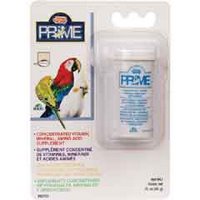
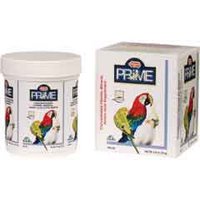
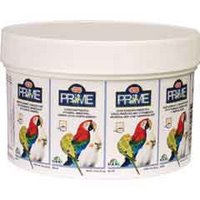
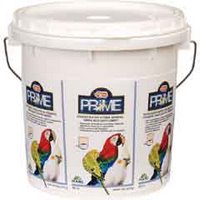
Hagen 82102 - 20g Hagen 82105 - 70g Hagen 82106 - 1 Lb Hagen 82110 - 5Lb
To ensure total nutritional care for your birds, visit Bird Buffet N Things. To view our complete line of nutritional products click here.
Saturday, January 07, 2006
Bird Toys

Birds are playful and fun loving by nature. Even birds kept in cages like moving around and exercising their natural instinct to play. In addition, birds can strengthen their bills and test their agility on our numerous rope-basted products.
Toys like our Junglewood rope of blocks and beads will give any bird hours of enjoyment. Made of durable nylon or cotton rope as well as wooden or hard plastic beads, our toys are safe and won't injure your bird in any way. Birds don't generally swallow toys or bite off pieces of them. If they do manage to accidentally ingest a small piece of a toy, it won't normally harm them. It takes 400 degrees of heat to melt plastic, so any pieces ingested would simply pass through the bird as waste.
 Some owners are concerned about using plastic toys, since some plastic food bowls in the past have been suspected of being harmful to birds. Our products, however, are made with plastics approved for use with birds and are guaranteed to be completely harmless.
Our bird rope ladders are excellent examples of other durable and fun toys for birds of all shapes and sizes. They are attached with a hanging clip (small, medium and large sizes) to the top of your bird's cage. Depending on the size of the cage, your bird can swing around on the ladder, perch on the wooden rod, or test beak skills by pulling the rope in different directions. Any way your bird finds to have fun with the toy, it is certain to become a favorite way to pass the time.
Please visit Bird Buffet N Things' website for your bird toy needs at reasonable prices.

Saturday, December 31, 2005
Knowledge Through Reading

The Parrot Problem Solver
Finding Solutions to Aggressive Behavior
by Barbara Heidenreich
Hardcover: 192 pages
Publisher: TFH Publications (June 30, 2005)
Language: English
ISBN: 0793805627
When not properly trained and socialized, parrots are prone to developing a number of behavioral problems, including aggression and self-mutilation. Many owners face these problems and the frustrations that come along with them, and find themselves desperately in need of expert advice. Barbara Heidenreich arms her readers with the information they need to turn their pugilistic parrot into a feathered friend. Some of the topics include:
The Parrot Problem Solver: Finding Solutions to Aggressive Behavior is a one-stop resource for bird owners frustrated by problem behavior. By following the author's tips and techniques, any owner can learn how to keep a companion parrot from biting, screaming, or lunging, and turn a beastly bird into an avian angel.
About the Author Barbara Heidenreich is a professional animal trainer and founder of Animal Training and Consulting Services, which provides animal training workshops to zoos and other wildlife facilities. She has written and lectured extensively on the training of parrots. Heidenreich is the president elect of the International Association of Avian Trainers and Educators.
 Good Bird
A Guide to Solving Behavioral Problems in Companion Parrots
by Barbara Heidenreich
Paperback: 80 pages
Publisher: Avian Publications (April, 2004)
Language: English
ISBN: 1895270278
Help is here if you are having a problem with Screaming, Biting, Bonding, Cage Bound, even Feather Picking. Training is a form of teaching. The subject learns when the trainer positively reinforces or rewards each small step the subject takes towards the desired behavior. In this book the author describes some typical problem behavior scenarios then offers a step-by-step explanation of how to address these problem behaviors using training techniques based on positive reinforcement.
 Parrot Life Magazine Issue 2, 05
Avid parrot enthusiast and the novice companion parrot apprentice alike will gain insight on these wonderful yet complex exotic creatures.
After months of incubation and nurturing, the first issue of Parrot Life is finally taking flight. The next few months and subsequent issues will be our fledgling period. Communication and interaction of the flock will be essential to the success of our magazine so we will rely on the guidance from our readers, collaborators, fellow aviculturists and parrot enthusiasts around the world to help us progress towards maturity. For those who have chosen to be guardians to these wonderful feathered creatures, we will thrive to provide you with the most accurate and updated facts & recommend-ations on responsible parrot care and husbandry. Parrot Life will dedicate quality reports, reviews & valuable chronicles on topics such as psittacine behaviour, nutrition, health, safe idealistic cage and environment requirements, trends & advancements in aviculture and endangered parrot species restoration programs. In the embryonic stages of development, we realized the need to create a truly interactive magazine. We’ve included detachable charts (Your Parrot Profile) and resourceful materials such as the Trouble Shooting Infertility Work Sheet for the aviculturist. Bird Flash, Plume of a Feather, Birds on a Wire, Parrot Trivia and other regular columns will require participation from our readers. We will thrive to remain truthful to the ideals we aspire to, promote all parrot life, whether it be in captivity or in it’s natural habitat. Our incessant efforts to raise awareness for the plight of Parrots will be featured throughout our magazine. Emphasis will be made on the essential collaboration needed to interlink aviculture, conservation, field research, avian medicine, behaviourists, ornithologists as well as the companion parrot owners.We hope to bridge the communication gap between parrot lovers and conservation fundament alists. All must become integral advocates to this plight.
I also believe it is essential to promote responsible environmental attitudes. Captive breeding efforts are futile without the parallel success to protect natural habitat for future reintroduction and survival of these wild species. Sustainable harvesting, ecotourism, education & global awareness are also fundamental. Although Canada has decreased significantly the incidence of wild caught birds in the pet market, there are some who are still tempted by this trade. We will without doubt unveil controversial debates and issues, although we vow to remain equitable. We hope Parrot Life will create a forum to discuss current issues regarding CITES, future laws and recommendations such as the MAP (model aviculture program). We hope you will enjoy reading this first issue and look forward to receiving the next one at the beginning of the new year. Conserve it for future reference, share it throughout your bird community and feel free to express your thoughts and concerns, by contacting us either by mail or via e-mail.
Josee Bermingham
Editor
If you wish to order any of the above books or magazine, please visit Bird Buffet N Things at http://www.birdbuffetnthings.com.
Saturday, December 24, 2005
Teach Your Bird Tricks
Hi there,
I just wanted to take the time and write you a quick note letting you know that I found a website where you can get a free parrot training 3 Day E-course and training video, just by visiting http://www.birdtricks.com/cmd.php?af=273798.
When you get there just sign up on one of the signup forms on their site, and they will send you their training course immediatly.
The course will teach your parrot to:
-Stop Biting
-Perform Tricks &
-Tame ANY SIZE bird you could possibly own
Chet Womach, who owns the site, also has an advanced course that you can read about at his site, and I must say, I have bought, and own all the parrot training products out there. And Chet's training course is heads and shoulders above all the other training courses or videos you will EVER find.
-SPECIAL NOTE: His course is so good, that I called him up on the phone, and begged him to give some of my customers a special deal on his course.
So after a whole lot of arm twisting, I convinced him to throw in a 2 hour interview he did with a parrot behavior specialist, where they do nothing but cover exactly how to cure MAJOR biting and fear problems in parrots, by using very clever clicker training techniques.
All you have to do to get this special interview, is go to http://www.birdtricks.com/cmd.php?af=273798 and on the order form, write that you heard about his website from me, Michael Camire, so he knows to send you the extra 2 hour interview.
But Remember, he is only offering this deal until this upcoming Friday. So if you try to order after Friday, he won't throw in this extra audio bonus for you.
Either way, at least go to his website to get the 3 Day E-Course and video.
Hope you'll like his course as much as I did.
Sincerely,
Michael Camire
Bird Buffet N Things
p.s. In order to get this free two hour interview you must click on this link:
Wednesday, December 21, 2005
NEW 22 lb. Bonus Bags of ZuPreem® AvianMaintenance™ Diets


There’s no getting around it—birds and humans don’t always choose a healthy diet. What we like is not always what is good for us. Many birds, if given a choice, will select a diet high in fat like seeds, just as we might choose high-calorie snacks. Both taste good. Seeds lack many important vitamins, minerals and amino acids. In addition to high levels of fat, seed diets are deficient in important nutrients such as lysine, calcium, available phosphorus, sodium, manganese, zinc, iron, iodine, selenium, vitamins A, D, E and K, riboflavin, pantothenic acid, available niacin, vitamin B12 and choline1. Even if bird owners supplement a seed diet with a nutritionally complete extruded diet, birds will often choose seeds, leaving behind the more nutritious foods.
A seed diet may pose health risks for your bird. A nutritionally deficient seed diet can result in obesity, other nutritionally related diseases, and a lower immune response to infections and even premature death. Such a diet can also adversely affect reproduction in breeder birds. What about “fortified” seed mixtures? Some manufacturers have attempted to correct the nutritional imitations of seeds by coating the hulls with vitamins and minerals.
When birds eat the seed, they discard the hulls, and the nutrients may end up as waste. “Fortified” can also mean the seeds are mixed with vitamin and mineral nuggets—nuggets that birds may not eat.
What about vitamin and mineral supplements? Commercially available supplements vary greatly, making it difficult to determine if your bird is getting too much or too little of the desired vitamins and minerals. Additionally, powdered supplements separate from the food and are usually not consumed. If you add vitamin supplements to your bird’s water, you can never be sure how much is being consumed, because you are changing the water frequently to avoid bacterial contamination.
What about fruits and vegetables?
Although most fruits and vegetables are considered healthy additions to a bird’s diet, they should not make up more than 15% of the daily diet. Some are high in sugar and carbohydrates, some lack important nutrients, and because they add bulk and fiber, the bird will feel satisfied and not eat the more nutritious food.
What kind of diet will give your bird everything he needs?,br>A nutritionally balanced extruded diet can offer your bird everything he needs for a long and healthy life. Extrusion manufacturing assures nutrients are not lost in the processing. This means your bird consumes more of the original wholesome ingredients—better nutrition, better digestibility and better taste. Not all extruded diets are the same, however. ZuPreem® Avian Diets have balanced vitamins, minerals, fat, carbohydrates and protein in every bite.
Ask your avian veterinarian for advice.
Now that you’re convinced of the importance in converting your bird to a more balanced diet, you need a plan to support your decision. Make an appointment with your veterinarian for a general health exam to be sure your bird is free from underlying disease before undergoing a dietary change. At this time, you and your veterinarian can agree on how to proceed.
These tips may help you and your bird
Initially your bird may throw the new food out of the cage and exhibit tantrum-like behavior in an effort to get your attention. Your bird may not recognize the new diet as food, and may need to touch and play with it at first. Capitalize on your bird’s natural curiosity by placing the new food below a mirror or adjacent to a favorite toy in the cage. Trick your bird into eating some of the new food by mixing a favorite treat with the new diet. Try putting the new diet in the bowl near the highest perch—most birds will eat from the highest bowl first. Some medium to large-sized birds are more willing to accept new foods if fed outside their cage in a favorite area. Your bird may benefit from seeing you or another bird eating the food. Your bird will watch your expressions—if you’re positive about the new diet, there is a good chance your bird will be too.
A lifetime of good nutrition starts with feeding your bird a balanced diet with all the essential nutrients he needs every day. Right from the start, you’ll see that good nutrition really works. See the other side of this brochure for information about all ZuPreem Life-stage Avian Diets.
Here’s why ZuPreem AvianMaintenance Diets are the top-selling brand of extruded avian diets.
FruitBlend Flavor DietsFun, fruit shapes* in vibrant fruit colors birds find appealing. Nuggets contain ground fresh fruit for a real fruity flavor birds love. Premium balanced nutrition birds need everyday.
Natural DietsZuPreem Products are available at Bird Buffet N Things' web site, www.birdbuffetnthings.com.Natural tan, oval-shaped nuggets* with no colors appeal to the growing number of bird owners and breeders who want to feed a more natural diet. Nuggets contain wholesome, fresh ground vegetables in every nugget for a great veggie taste.* Available where nugget size allows
The new 22Lb Bonus Bags are $28.00 for the FruitBlend Diets and $28.00 for the Natural Diets. Hurry on over, as the quantites are limited and this is a one time offer.
Tuesday, December 20, 2005
Toys for Your Pet Bird
Birds are playful and fun loving by nature. Even birds kept in cages like moving around and exercising their natural instinct to play. In addition, birds can strengthen their bills and test their agility on our numerous rope-basted products.
Toys like our Junglewood rope of blocks and beads will give any bird hours of enjoyment. Made of durable nylon or cotton rope as well as wooden or hard plastic beads, our toys are safe and won't injure your bird in any way. Birds don't generally swallow toys or bite off pieces of them. If they do manage to accidentally ingest a small piece of a toy, it won't normally harm them. It takes 400 degrees of heat to melt plastic, so any pieces ingested would simply pass through the bird as waste.
Some owners are concerned about using plastic toys, since some plastic food bowls in the past have been suspected of being harmful to birds. Our products, however, are made with plastics approved for use with birds and are guaranteed to be completely harmless.
Bird rope ladders available at Bird Buffet N Things are excellent examples of other durable and fun toys for birds of all shapes and sizes. They are attached with a hanging clip (small, medium and large sizes) to the top of your bird's cage. Depending on the size of the cage, your bird can swing around on the ladder, perch on the wooden rod, or test beak skills by pulling the rope in different directions. Any way your bird finds to have fun with the toy, it is certain to become a favorite way to pass the time.
Check out Bird Buffet N Things' website for many different styles of fun bird toys at reasonable prices.
Thursday, December 15, 2005
Spray Millet For Your Pet Bird
Millet is a cereal crop grown as a food source. At Bird Buffet N Things, they offer several sources of delicious millet for your hook billed birds like finches, canaries,parrots, parakeets, macaws, and others. Birds must find their own food in the wild, often consisting of fruits, nuts, or berries. Spray millet is a great product to help give your pet bird the feeling of gathering his or her own food. The "spray" is the stalk of dried millet, which contains clusters of seeds. The bird's food (the seed) is contained inside these outside husks.
Mega Millet products feed the bird's wild instinct to forage. Mega Millet comes in sprays and looks like the foods your bird would find in the wild--it makes them work to get each large kernel from the spray. Mega Millet requires the bird to sift through the dried plant and crack the husk to retrieve the food, just like they would in a native environment.
Bird Buffet N Things' staff are very knowledgeable about this and other millet products and encourage our customers to try this product for most kept birds. It can be introduced in the food bowl with just a few clusters, and then a whole spray can be tied to the cage. Your bird will love the process of gathering food in this natural way.
Bird Buffet N Things also offer Canadian Golden spray millet and Rainbow Delight millet. The Rainbow Delight comes in a variety of flavors like orange, banana, and strawberry. It contains the same amount of nutrients as the other millets, it just has added flavor to satisfy your bird's taste buds.
Thursday, November 18, 2004
NUTRITION EXPERT PANEL REVIEW:
New rules for feeding pet birds
FEED MANAGEMENT, FEBRUARY 1998, VOLUME 49, NUMBER 2.
Pet food regulators have relied on expert panels on canine and feline nutrition to determine minimum nutrient requirements for dogs and cats. These expert panels also help regulators determine tesing procedures for the nutritional adequacy of pet food. Pet food regulators have created an expert committee for companion and exotic bird nutrition. The panel interest is focused on passerine (song bird, finches, and canaries) and psittacine (parrots, cockatiels, and parrakeets) birds.
Dr. Randal N. Brue, vice president of research and development at Kaytee Products, Inc., is the chair of the expert panel on companion and exotic birds. Other panel members include Dr. Milton Sunde, professor emeritus at the University of Wisconsin; Dr. Sue Crissey, director of the Brookfield Zoo (Chicago) nutrition services; and Mark Hagen, director of Research at Rolf C. Hagen, Inc. Two other nutritionists, Dr. Dick Grau, professor emeritus at the University of California-Davis and Dr. Dwayne Ullray, professor emeritus at Michigan State University, provided input during the formation of the panel.
The companion and exotic bird nutrition expert panel met last November in Chicago. The purpose of the meeting was for members to discuss and develop suggested nutrient profiles for feeding companion and exotic birds. This is required in the process to legally establish the use os a nutritional adequacy claim on companion bird food products. These regulations will help consumers differentiate between array of products—many off which are not "complete"—as well as establish a "benchmark" by which dietary performance can be measured by the veterinary and avicultural community.
During the meeting the panel addressed the following issues:
Applicable diet types: Considering the complications involved in setting a nutritional profile for a supplemented seed-based diet, for example, ingredient preference and ingredient separation, the panel agreed to focus on profiles for processed, nutritionally homogenous feed.
Profile categories: The panel agreed that, based on the minimal depth of information on this topic, only the development of "maintenance" profiles was prudent. This forced the panel to state only generalized profiles—a single maintenance profile for the entire category of specified birds. Therefore, a general maintenance profile was developed for all companion psittacines (regardless of size or genus) and a maintenance profile for all companion, graniverous passerines. This is a logical first step for what is, by definition, a process of refinement based on increased amounts of clinical and research-based data.
Profile reviews: Because it is recognized that this effort is the initial step of a long-term commitment to elucidate and communicate the nutritional needs of companion birds, this group, or its successors should continue to meet every 2-3 years to evaluate the performance of the proiles, discuss new research and group information, review anecdotal information of profile performance via Association of Avian Veterinarians (AAV), and develop more specific criteria.
Nutrient recommendations
The panel also developed nutrient profiles for psittacine and passerine birds (Table 1). These nutrient recommendations are conservative. The recommendations are bassed on extrapolations from the National Research Council (NRC) requirements for poultry and the research and formulation experiences of the panel members. Generally, when the panel used NRC data, it chose the highest concentrations for incorporation into the companion bird profile, except when the highest concentration was specific for a particular species or breed.
There are a number of obstacles to developing meaningful nutrient recommendations for pet birds. One of the biggest is the availability of accurate nutrient values. Nutritionists and feed formulators know the metabolizable energy content of corn, soybean mela, and other commen ingredients for chickens, turkeys, swine, and cattle. However, these values may not be applicable for ingredients in pet bird feeds. The digestion efficiencies of commercial livestock and poultry may be different fro those of companion and exotic birds. Metabolizable energy values obtained from feeding trials using pet birds are lacking. Also, the metabolizable energy content of many of the special ingedients used in pet bird feed is unknown.
The panel decided to use gross energy rather than metabolizable energy as the criteria for measuring the energy content of pet bird feed. The expert panel recognized the limitations of gross energy. However, the simplicity of measurement— from both a regulatory and commercia lstandpoint—makes gross energy a desirable measurement. The panel recommended a range of gross energy values to insure that acceptable ranges of the nutrient-to-energy ratios are maintained. The total energy or fat content of a specific diet should be that which is required to maintain optimal weight in the target species. Metabolizable energy values will be substitued for gross energy values as they become available.
The panel members agreed that, because they included key amino acids in the nutritional profile, the crude protin concentration could be fairly low. Indeed, there was considerable observation and data by panel members with experience maintaining common companion species on diets consisting of 12-15% crude protein in long-term feeding situations.
Due to the difficulty in analyzing available, non-phytate phosphorus in ingredients, the expert panel elected to specify total dietary phosphorus. As a consequence, the panel recommended a calcium-to-phosphorus ratio of between 1:1 and 2:1.
Total vitamin A activity (vitamin A plus-carotene) was selected as the preferred measurement to acknowledge the dietary contributions of provitamin A compunds.
What is next?
The expert panel on the nutrition of companion and exotic birds plans to ask the AAV's Nutrition and Management Committee to review its nutritent profiles. The panel is also seeking input from the AAV's Board of Directors regarding protocol studies and general comments by the members on profiles and recommendations.
After AAV comments have been intergrated into the panel's recommendations, the panel will issue a final document to the American Association of Feed Control Officials (AAFCO). The AAFCO Pet Food Committee will then review and make its recommendations to its Board of Directors.
At the appropriate time, a committee report including the nutrient profiles and the applicable rationale or logic of the specific recommendations will be submitted for publication to constitute the specific reference for citation.
The nutrient recommendations for companion and exotic birds will aid veterinarians, consumers, and bird feed manufacturers in decreasing the mortality and morbidity associated with poor nutrition and unsound feeding practices.
Pet Bird Profiles
Table 1. Nutrients profile recommendations for companion and exotic birds.
Psitacine Passerines
Minimum Maximum Minimum Maximum
Gross energy, kcal/kg 3200 4200 3500 4500
Total protein, % 12 14
Unoleic acid, % 1 1
Amino Acids:
Arginine, % .65 .75
Lysine, % .65 .75
Methionine, % .30 .35
Methionine + cystine, % .50 .58
Threonine, % .40 .46
Vitamins:
Vitamin A activity 9total), IU/kg 8000 8000
Vitamin D3, ICU/kg 500 2000 1000 2500
Vitamin E, ppm 50 50
Vitamin K, ppm 1 1
Biotin, ppm .25 0.25
Chloine, ppm 1500 1500
Folic acid, ppm 1.5 1.5
Niacin, ppm 50 50
Pantothenic acid, ppm 20 20
Pyridoxine, ppm 6 6
Riboflavin, ppm 6 6
Thiamine, ppm 4 4
Vitamin B12, ppm 0.1 0.01
Minerals:
Calcium, % 0.30 1.20 0.50 1.20
Phosphorus, % 0.30 0.50
Calcium: total phosphorus 1:1 2:1 1:1 2:1
Chlorine, % 0.12 0.12
Magnesium, ppm 600 600
Potassium, % 0.40 0.40
Sodium, % 0.12 0.12
Trace minerals:
Copper, ppm 8 8
Iodine, ppm 0.40 0.40
Iron, ppm 80 80
Manganese, ppm 65 65
Selenium, ppm 0.10 0.10
Zinc, ppm 50 50
FEED MANAGEMENT, FEBRUARY 1998, VOLUME 49, NUMBER 2.
Visit Bird Buffet N Things
FEED MANAGEMENT, FEBRUARY 1998, VOLUME 49, NUMBER 2.
Pet food regulators have relied on expert panels on canine and feline nutrition to determine minimum nutrient requirements for dogs and cats. These expert panels also help regulators determine tesing procedures for the nutritional adequacy of pet food. Pet food regulators have created an expert committee for companion and exotic bird nutrition. The panel interest is focused on passerine (song bird, finches, and canaries) and psittacine (parrots, cockatiels, and parrakeets) birds.
Dr. Randal N. Brue, vice president of research and development at Kaytee Products, Inc., is the chair of the expert panel on companion and exotic birds. Other panel members include Dr. Milton Sunde, professor emeritus at the University of Wisconsin; Dr. Sue Crissey, director of the Brookfield Zoo (Chicago) nutrition services; and Mark Hagen, director of Research at Rolf C. Hagen, Inc. Two other nutritionists, Dr. Dick Grau, professor emeritus at the University of California-Davis and Dr. Dwayne Ullray, professor emeritus at Michigan State University, provided input during the formation of the panel.
The companion and exotic bird nutrition expert panel met last November in Chicago. The purpose of the meeting was for members to discuss and develop suggested nutrient profiles for feeding companion and exotic birds. This is required in the process to legally establish the use os a nutritional adequacy claim on companion bird food products. These regulations will help consumers differentiate between array of products—many off which are not "complete"—as well as establish a "benchmark" by which dietary performance can be measured by the veterinary and avicultural community.
During the meeting the panel addressed the following issues:
Applicable diet types: Considering the complications involved in setting a nutritional profile for a supplemented seed-based diet, for example, ingredient preference and ingredient separation, the panel agreed to focus on profiles for processed, nutritionally homogenous feed.
Profile categories: The panel agreed that, based on the minimal depth of information on this topic, only the development of "maintenance" profiles was prudent. This forced the panel to state only generalized profiles—a single maintenance profile for the entire category of specified birds. Therefore, a general maintenance profile was developed for all companion psittacines (regardless of size or genus) and a maintenance profile for all companion, graniverous passerines. This is a logical first step for what is, by definition, a process of refinement based on increased amounts of clinical and research-based data.
Profile reviews: Because it is recognized that this effort is the initial step of a long-term commitment to elucidate and communicate the nutritional needs of companion birds, this group, or its successors should continue to meet every 2-3 years to evaluate the performance of the proiles, discuss new research and group information, review anecdotal information of profile performance via Association of Avian Veterinarians (AAV), and develop more specific criteria.
Nutrient recommendations
The panel also developed nutrient profiles for psittacine and passerine birds (Table 1). These nutrient recommendations are conservative. The recommendations are bassed on extrapolations from the National Research Council (NRC) requirements for poultry and the research and formulation experiences of the panel members. Generally, when the panel used NRC data, it chose the highest concentrations for incorporation into the companion bird profile, except when the highest concentration was specific for a particular species or breed.
There are a number of obstacles to developing meaningful nutrient recommendations for pet birds. One of the biggest is the availability of accurate nutrient values. Nutritionists and feed formulators know the metabolizable energy content of corn, soybean mela, and other commen ingredients for chickens, turkeys, swine, and cattle. However, these values may not be applicable for ingredients in pet bird feeds. The digestion efficiencies of commercial livestock and poultry may be different fro those of companion and exotic birds. Metabolizable energy values obtained from feeding trials using pet birds are lacking. Also, the metabolizable energy content of many of the special ingedients used in pet bird feed is unknown.
The panel decided to use gross energy rather than metabolizable energy as the criteria for measuring the energy content of pet bird feed. The expert panel recognized the limitations of gross energy. However, the simplicity of measurement— from both a regulatory and commercia lstandpoint—makes gross energy a desirable measurement. The panel recommended a range of gross energy values to insure that acceptable ranges of the nutrient-to-energy ratios are maintained. The total energy or fat content of a specific diet should be that which is required to maintain optimal weight in the target species. Metabolizable energy values will be substitued for gross energy values as they become available.
The panel members agreed that, because they included key amino acids in the nutritional profile, the crude protin concentration could be fairly low. Indeed, there was considerable observation and data by panel members with experience maintaining common companion species on diets consisting of 12-15% crude protein in long-term feeding situations.
Due to the difficulty in analyzing available, non-phytate phosphorus in ingredients, the expert panel elected to specify total dietary phosphorus. As a consequence, the panel recommended a calcium-to-phosphorus ratio of between 1:1 and 2:1.
Total vitamin A activity (vitamin A plus-carotene) was selected as the preferred measurement to acknowledge the dietary contributions of provitamin A compunds.
What is next?
The expert panel on the nutrition of companion and exotic birds plans to ask the AAV's Nutrition and Management Committee to review its nutritent profiles. The panel is also seeking input from the AAV's Board of Directors regarding protocol studies and general comments by the members on profiles and recommendations.
After AAV comments have been intergrated into the panel's recommendations, the panel will issue a final document to the American Association of Feed Control Officials (AAFCO). The AAFCO Pet Food Committee will then review and make its recommendations to its Board of Directors.
At the appropriate time, a committee report including the nutrient profiles and the applicable rationale or logic of the specific recommendations will be submitted for publication to constitute the specific reference for citation.
The nutrient recommendations for companion and exotic birds will aid veterinarians, consumers, and bird feed manufacturers in decreasing the mortality and morbidity associated with poor nutrition and unsound feeding practices.
Pet Bird Profiles
Table 1. Nutrients profile recommendations for companion and exotic birds.
Psitacine Passerines
Minimum Maximum Minimum Maximum
Gross energy, kcal/kg 3200 4200 3500 4500
Total protein, % 12 14
Unoleic acid, % 1 1
Amino Acids:
Arginine, % .65 .75
Lysine, % .65 .75
Methionine, % .30 .35
Methionine + cystine, % .50 .58
Threonine, % .40 .46
Vitamins:
Vitamin A activity 9total), IU/kg 8000 8000
Vitamin D3, ICU/kg 500 2000 1000 2500
Vitamin E, ppm 50 50
Vitamin K, ppm 1 1
Biotin, ppm .25 0.25
Chloine, ppm 1500 1500
Folic acid, ppm 1.5 1.5
Niacin, ppm 50 50
Pantothenic acid, ppm 20 20
Pyridoxine, ppm 6 6
Riboflavin, ppm 6 6
Thiamine, ppm 4 4
Vitamin B12, ppm 0.1 0.01
Minerals:
Calcium, % 0.30 1.20 0.50 1.20
Phosphorus, % 0.30 0.50
Calcium: total phosphorus 1:1 2:1 1:1 2:1
Chlorine, % 0.12 0.12
Magnesium, ppm 600 600
Potassium, % 0.40 0.40
Sodium, % 0.12 0.12
Trace minerals:
Copper, ppm 8 8
Iodine, ppm 0.40 0.40
Iron, ppm 80 80
Manganese, ppm 65 65
Selenium, ppm 0.10 0.10
Zinc, ppm 50 50
FEED MANAGEMENT, FEBRUARY 1998, VOLUME 49, NUMBER 2.
Visit Bird Buffet N Things
Monday, November 15, 2004
Kids and Pets, will it work?
Author: Mary González
Article:
How can my child benefit from having a pet? 1. Social skills and
self-esteem. Feelings and positive experiences with their pet
can help children feel good about their own. Loving a pet can
also help kids to love and trust other people. 2. Exercise. All
pets need to exercise, and playing with their pet is a fun way
to incorporate some physical activity to your kid’s lifestyle.
3. Responsibility and respect. To learn how to take care of
their pet can help kids develop empathy, concern and
responsibility towards other beings. On top of that, during the
life cycle of the pet, parents have the opportunity to talk to
their kids about birth, sickness and death. 4. Parent
interaction. Kids and their parents can spend more time together
playing and taking care of their pet.
How can my child help take care of the pet? 1. A small child can
help out by feeding or providing fresh water to their pet
(portions must be measured by you). 2. The child can help
walking the pet, not alone of course, but just another time to
spend together with your kid. 3. Children can help you in
bathing and grooming the pet. 4. Assign to your child small,
simple tasks that can be performed under your supervision.
How can I keep my child healthy and safe around a pet? 1. Choose
your pets wisely, if you don’t already own a pet, study and
learn from the different breeds and species, you will find that
some are specially “kid friendly”. 2. Consider any allergies a
family member could have, before acquiring a pet. Consult with
your kid’s pediatrician about any allergies that may be present.
3. Take your pet to the veterinary to a general check up before
you bring it home.
* Always supervise interaction between pets and kids. * Teach
your child not to touch any pet, unless you say it’s OK to do
so. * Never leave pets and kids unattended. Kids tend to play
rough and that could provoke an attack or harm a small pet. *
Make sure your child stays away while the pet is eating,
sleeping or taking care of its own offspring. * Teach your child
to keep a good hygiene, not to touch the pet droppings and wash
his hands after playing with the pet. * Treat immediately any
scratch or bite caused by a pet. Consult with your child’s
pediatrician if the scratch or bite tears your child’s skin.
About the author:
Mary González is an Agronomist with a major in Animal Science
and runs the day-to-day operations of her home-based business
which carries aromatherapy products, natural remedies,
nutritional supplements and much more. She can also help you
start your own home-based 100% natural pet supplies business,
you can visit online at: http://www.MindBodyAndPaw.com
Article:
How can my child benefit from having a pet? 1. Social skills and
self-esteem. Feelings and positive experiences with their pet
can help children feel good about their own. Loving a pet can
also help kids to love and trust other people. 2. Exercise. All
pets need to exercise, and playing with their pet is a fun way
to incorporate some physical activity to your kid’s lifestyle.
3. Responsibility and respect. To learn how to take care of
their pet can help kids develop empathy, concern and
responsibility towards other beings. On top of that, during the
life cycle of the pet, parents have the opportunity to talk to
their kids about birth, sickness and death. 4. Parent
interaction. Kids and their parents can spend more time together
playing and taking care of their pet.
How can my child help take care of the pet? 1. A small child can
help out by feeding or providing fresh water to their pet
(portions must be measured by you). 2. The child can help
walking the pet, not alone of course, but just another time to
spend together with your kid. 3. Children can help you in
bathing and grooming the pet. 4. Assign to your child small,
simple tasks that can be performed under your supervision.
How can I keep my child healthy and safe around a pet? 1. Choose
your pets wisely, if you don’t already own a pet, study and
learn from the different breeds and species, you will find that
some are specially “kid friendly”. 2. Consider any allergies a
family member could have, before acquiring a pet. Consult with
your kid’s pediatrician about any allergies that may be present.
3. Take your pet to the veterinary to a general check up before
you bring it home.
* Always supervise interaction between pets and kids. * Teach
your child not to touch any pet, unless you say it’s OK to do
so. * Never leave pets and kids unattended. Kids tend to play
rough and that could provoke an attack or harm a small pet. *
Make sure your child stays away while the pet is eating,
sleeping or taking care of its own offspring. * Teach your child
to keep a good hygiene, not to touch the pet droppings and wash
his hands after playing with the pet. * Treat immediately any
scratch or bite caused by a pet. Consult with your child’s
pediatrician if the scratch or bite tears your child’s skin.
About the author:
Mary González is an Agronomist with a major in Animal Science
and runs the day-to-day operations of her home-based business
which carries aromatherapy products, natural remedies,
nutritional supplements and much more. She can also help you
start your own home-based 100% natural pet supplies business,
you can visit online at: http://www.MindBodyAndPaw.com
Pet Safety
Author: Lee Dobbins
Article:
Your home might be "kid-proof" but how does it measure up whenit comes to safety for your pet? Do you know all the hazardsyour pet is exposed to? How about what plants are poisonous andwhat foods should be avoided?
Caring for your pet is more than just making sure he has enoughfood, water and gets the appropriate veterinary care, it alsomeans providing a pet safe environment so that your furry,feathered or scaly friend can stay safe and healthy.Unfortunately, there are many hazards your pet is exposed toeach day that could put them in danger. Being aware of them sothat you can keep your pet out of harms way is theresponsibility of every pet owner.
Sometimes your guests can be the biggest hazard to your pet. Ifyou have indoor pets, your quests may not realize this and opendoors or windows around them that could allow them to “escape”to the great outdoors. Well meaning dinner guests and partygo-ers could overfeed your pet and cause him to become ill.Imagine if you had 20 guests and each one fed "treats" to yourpet! To insure pet safety when you have guests try keeping thepet in a crate or another room that the quests will not beallowed into. This may actually be more comfortable for your pettoo as it may make him nervous to have so many people around ifhe is not used to it. Instruct your guests not to let theanimals outside if they should get into the main house. Makesure your pet wears tags so he can be identified and returnshould he get out by mistake.
The holidays should be enjoyed by both you and your pets, sokeep pet safety in mind when decorating and celebrating.Remember that small objects can cause an intestinal blockage ifeaten so be sure to remove all tinsel, Easter grass, confetti,small toys and wrapping paper. Don’t leave candles unattendedwith pets near. Pet costumes can be cute, but make sure thereare no lose strings that could choke your pet or that he can gethis limbs caught in. It is best to not leave your pet unattendedwhen you have him dressed up. Make sure electrical cords arekept away for pets especially puppies. They can chew through thecord and get burned or even electrocuted. After decorating for aholiday, make sure to observe your pet around the newdecorations for several hours to see if they develop any unsafehabits around certain items - you may need to remove or rethinkyour decorating if it looks like there could be a hazard. I hada ferret that liked to jump into the tree and grab all the shinyornaments so I stopped decorating the bottom of the tree toprevent this as I was afraid the glass would break and injureher!
When feeding your pet treats, it is important to know that theyshould not eat certain foods. In general “people food” should begiven to pets sparingly if at all, but some foods can be toxic.
Most of the greasy holiday foods that we love to eat are notgood for them and overfeeding can make them ill. In particulardo not feed them chocolate - it can be fatal especially to cats.So make sure you move those valentine candies, Easter eggs andchocolate Santas out of pets reach. Other foods to avoid areonions, alcohol and poultry bones. In addition, birds should notbe fed avocados, dairy products, fruit seeds, potatoes, cabbage,green beans, lemons, rhubarb, grapefruit, plums and, of course,caffeine, chocolate, and alchohol. Any of these can be harmfuland even fatal to your feathered friend! Also, keep in mind thatthe fumes from non stick pans can be fatal for pet birds so keepyour bird out of the kitchen, or better yet, switch to cast ironpans.
When decorating with plants either for the holidays or just ingeneral, keep pet safety in mind. There are many toxic plantsbut common toxic holiday plants include potted bulbs, ivy,holly, mistletoe and greens (contrary to popular beliefpoinsettia are not overly dangerous but I still wouldn't let mypet eat one!). This is not an exhaustive list so before youbring any new plant into the house please research it'stoxicity.
It’s just as important to look out for your pets safety outsideas it is inside. Beware that antifreeze is extremely toxic topets. Keep your pet away from any puddles that might contain it.Rock salt can be irritating to pet paws and also to theirstomach if eaten or licked off the paws. Use common sense whenpracticing pet safety during the winter months.
About the author:Lee Dobbins is a pet lover, pet owner and webmaster of www.epet-center.com whereyou can find information on pet health, safety and products.
Article:
Your home might be "kid-proof" but how does it measure up whenit comes to safety for your pet? Do you know all the hazardsyour pet is exposed to? How about what plants are poisonous andwhat foods should be avoided?
Caring for your pet is more than just making sure he has enoughfood, water and gets the appropriate veterinary care, it alsomeans providing a pet safe environment so that your furry,feathered or scaly friend can stay safe and healthy.Unfortunately, there are many hazards your pet is exposed toeach day that could put them in danger. Being aware of them sothat you can keep your pet out of harms way is theresponsibility of every pet owner.
Sometimes your guests can be the biggest hazard to your pet. Ifyou have indoor pets, your quests may not realize this and opendoors or windows around them that could allow them to “escape”to the great outdoors. Well meaning dinner guests and partygo-ers could overfeed your pet and cause him to become ill.Imagine if you had 20 guests and each one fed "treats" to yourpet! To insure pet safety when you have guests try keeping thepet in a crate or another room that the quests will not beallowed into. This may actually be more comfortable for your pettoo as it may make him nervous to have so many people around ifhe is not used to it. Instruct your guests not to let theanimals outside if they should get into the main house. Makesure your pet wears tags so he can be identified and returnshould he get out by mistake.
The holidays should be enjoyed by both you and your pets, sokeep pet safety in mind when decorating and celebrating.Remember that small objects can cause an intestinal blockage ifeaten so be sure to remove all tinsel, Easter grass, confetti,small toys and wrapping paper. Don’t leave candles unattendedwith pets near. Pet costumes can be cute, but make sure thereare no lose strings that could choke your pet or that he can gethis limbs caught in. It is best to not leave your pet unattendedwhen you have him dressed up. Make sure electrical cords arekept away for pets especially puppies. They can chew through thecord and get burned or even electrocuted. After decorating for aholiday, make sure to observe your pet around the newdecorations for several hours to see if they develop any unsafehabits around certain items - you may need to remove or rethinkyour decorating if it looks like there could be a hazard. I hada ferret that liked to jump into the tree and grab all the shinyornaments so I stopped decorating the bottom of the tree toprevent this as I was afraid the glass would break and injureher!
When feeding your pet treats, it is important to know that theyshould not eat certain foods. In general “people food” should begiven to pets sparingly if at all, but some foods can be toxic.
Most of the greasy holiday foods that we love to eat are notgood for them and overfeeding can make them ill. In particulardo not feed them chocolate - it can be fatal especially to cats.So make sure you move those valentine candies, Easter eggs andchocolate Santas out of pets reach. Other foods to avoid areonions, alcohol and poultry bones. In addition, birds should notbe fed avocados, dairy products, fruit seeds, potatoes, cabbage,green beans, lemons, rhubarb, grapefruit, plums and, of course,caffeine, chocolate, and alchohol. Any of these can be harmfuland even fatal to your feathered friend! Also, keep in mind thatthe fumes from non stick pans can be fatal for pet birds so keepyour bird out of the kitchen, or better yet, switch to cast ironpans.
When decorating with plants either for the holidays or just ingeneral, keep pet safety in mind. There are many toxic plantsbut common toxic holiday plants include potted bulbs, ivy,holly, mistletoe and greens (contrary to popular beliefpoinsettia are not overly dangerous but I still wouldn't let mypet eat one!). This is not an exhaustive list so before youbring any new plant into the house please research it'stoxicity.
It’s just as important to look out for your pets safety outsideas it is inside. Beware that antifreeze is extremely toxic topets. Keep your pet away from any puddles that might contain it.Rock salt can be irritating to pet paws and also to theirstomach if eaten or licked off the paws. Use common sense whenpracticing pet safety during the winter months.
About the author:Lee Dobbins is a pet lover, pet owner and webmaster of www.epet-center.com whereyou can find information on pet health, safety and products.
Pets Get Diabetes Too
Author: Nick Carmichael Article:
Just like humans pets can suffer from diabetes mellitus too. Bya simple blood test, called fructosamine, thay can be diagnosed,and then under the care of your veterinary surgeon, oftentreated succesfully.
Fructosamines are stable complexes of carbohydrates and proteinsthat are produced by an irreversible, nonenzymatic glycosylationof serum proteins. Fructosamine (glycated serum protein)measurements are useful in diagnosing and monitoring diabetesmellitus in both cats and dogs. The test is highly sensitive andcan be used to distinguish non-diabetic transientlyhyperglycaemic cats from diabetics with chronic hyperglycaemia.A single measurement of fructosamine indicates the averageglucose concentration over the previous 1-3 weeks and its assaycan therefore be used to assist in the diagnosis of diabetesmellitus as well as monitoring the effectiveness of insulintherapy in diabetic patients. Fructosamine values are notinfluenced by acute fluctuations in blood glucose making themmore useful than single glucose measurements taken from stressedor anorexic patients, or animals on glucose containing IVfluids. In some cases however they can be used in conjunctionwith serial glucose curves to assess the short and long termresponse to insulin administration.Please contact your veterinary surgeon for further details or ifyou have any concerns about your pets.Further information on fructosamine can be found at:http://www.ctdslab.co.uk
About the author:Nick graduated from Edinburgh Veterinary School in 1980 with anHonours degree in Pathological Sciences and in 1982 as aBachelor of Veterinary Medicine and Surgery. In 2003 Nick becamea diplomate of the Royal college of Pathologists in veterinaryclinical pathology.
Just like humans pets can suffer from diabetes mellitus too. Bya simple blood test, called fructosamine, thay can be diagnosed,and then under the care of your veterinary surgeon, oftentreated succesfully.
Fructosamines are stable complexes of carbohydrates and proteinsthat are produced by an irreversible, nonenzymatic glycosylationof serum proteins. Fructosamine (glycated serum protein)measurements are useful in diagnosing and monitoring diabetesmellitus in both cats and dogs. The test is highly sensitive andcan be used to distinguish non-diabetic transientlyhyperglycaemic cats from diabetics with chronic hyperglycaemia.A single measurement of fructosamine indicates the averageglucose concentration over the previous 1-3 weeks and its assaycan therefore be used to assist in the diagnosis of diabetesmellitus as well as monitoring the effectiveness of insulintherapy in diabetic patients. Fructosamine values are notinfluenced by acute fluctuations in blood glucose making themmore useful than single glucose measurements taken from stressedor anorexic patients, or animals on glucose containing IVfluids. In some cases however they can be used in conjunctionwith serial glucose curves to assess the short and long termresponse to insulin administration.Please contact your veterinary surgeon for further details or ifyou have any concerns about your pets.Further information on fructosamine can be found at:http://www.ctdslab.co.uk
About the author:Nick graduated from Edinburgh Veterinary School in 1980 with anHonours degree in Pathological Sciences and in 1982 as aBachelor of Veterinary Medicine and Surgery. In 2003 Nick becamea diplomate of the Royal college of Pathologists in veterinaryclinical pathology.
Subscribe to:
Posts (Atom)

 Posts
Posts